




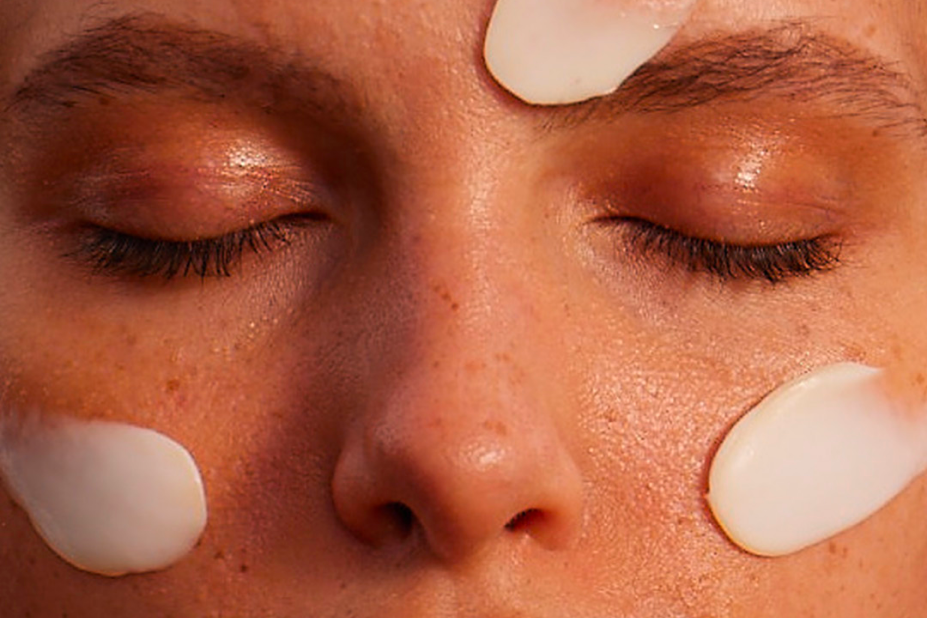
Neurocosmetics apply insights from neuroscience to act directly on the skin’s nervous system, also known as the cutaneous nervous system. This delivers biological level benefits that help the skin recover, reduce inflammation, ease stress, and support overall skin health.
What are neurocosmetics?
Neurocosmetics are an emerging branch of cosmetics in which products are designed to interact with the skin’s nervous system. Human skin contains countless sensory nerve endings, often grouped as part of the peripheral nervous system beneath the skin. These nerves transmit information between the external environment and the brain. They do more than detect sensations such as heat, cold, and pain. They also regulate many micro responses in the skin, including inflammation, oxidative stress, sensations of tension, and signs of aging.
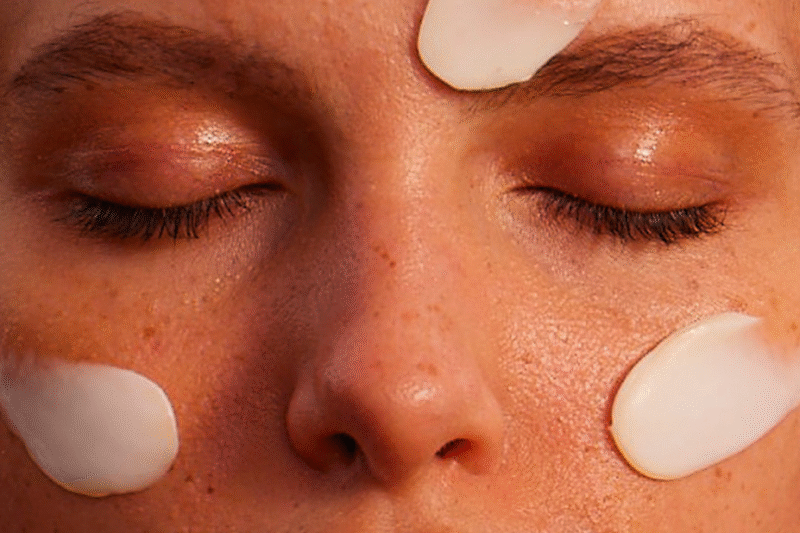
Neurocosmetics work by acting on neural receptors or by modulating the biological signaling pathways between the skin and the nervous system. Rather than simply hydrating, brightening, or controlling oil, these products can calm and comfort stressed skin on both a biological and emotional level. This helps explain why some people feel noticeably relaxed after applying a thin layer of cream. It is not just a subjective feeling, but a controlled neurophysiological response.
In addition, certain neurocosmetic actives may stimulate the release of positive hormones such as endorphins and serotonin. This can promote relaxation, improve mood, and indirectly support skin regeneration. These applications are not only useful in everyday skincare, but can be especially suitable for people with sensitive or stress reactive skin, as well as those living in polluted urban environments.
How skincare affects the skin’s nervous system
The skin’s nervous system, also known as the cutaneous nervous system, is a complex network of nerves distributed throughout the epidermis and dermis. It includes receptors such as Merkel cells, which sense pressure, TRPV1 receptors, which respond to heat, POMC, a hormone precursor involved in immune regulation, and neurotransmitters such as serotonin, acetylcholine, and substance P.
When the skin is damaged, stressed, or inflamed, nerves release chemical signals that trigger the body’s response. This can lead to increased oil production, redness, itching, and prolonged discomfort.
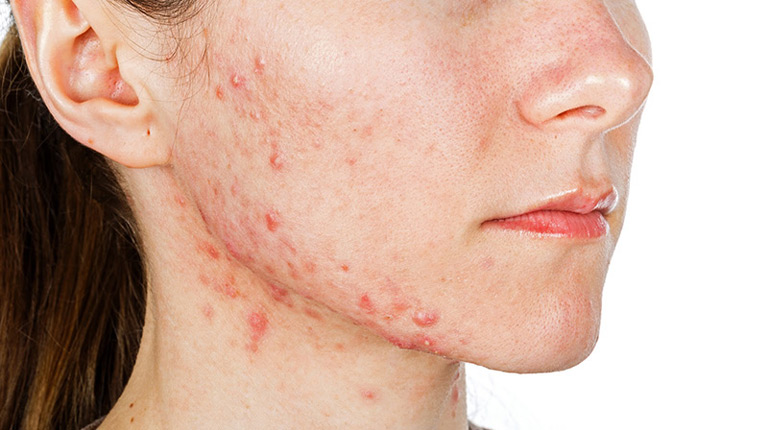
Neurocosmetics help by intervening in these signaling processes. They may calm neural receptors, regulate stress related hormone release, inhibit inflammatory enzymes, or support soothing peptides that help restore comfort.
Some neuroactive ingredients can activate specific neural channels to reduce sensations such as pain, stinging, burning, or itch. Others may encourage the body to produce endorphins, helping users feel more comfortable and less stressed. This can also improve sleep quality, which is an important factor in skin recovery.
Practical applications: anti stress skincare and anti inflammatory skincare
1. Anti stress skincare that supports mood and skin renewal
It is no coincidence that many skincare brands are increasingly adding neuro soothing ingredients to their formulas. This is especially true in modern urban life, where mental pressure and environmental pollution are rising. Stress affects more than hormones. It also appears directly on the skin by increasing cortisol, which can drive higher oil production, inflammation, slower recovery, and dehydration.
Common anti stress ingredients used in neurocosmetics include:
1,Rhodiola Rosea Extract – A plant root extract that has been shown to reduce oxidative stress expression and strengthen the skin’s resilience.

2, CBD (Cannabidiol) – A compound derived from hemp that has been shown to help regulate neural activity, reduce inflammation, and support psychological relaxation.
3, Peptide neuroactive (như Neuropeptide Y hoặc Palmitoyl tetrapeptide-7) – Examples include neuropeptide Y related pathways or palmitoyl tetrapeptide 7. These can help reduce inflammatory signaling linked to neural activity, improve elasticity, and soothe the skin.
4, Niacinamide (Vitamin B3) – Beyond brightening, it can help regulate cortisol effects, support the skin barrier, and reduce visible redness and discomfort.
These ingredients help limit the impact of chronic stress on the skin while improving comfort, calming peripheral nerves under the skin, and enhancing overall skincare results.
2. Anti inflammatory skincare for sensitive and reactive skin
For weakened skin, especially sensitive, redness prone, or skin undergoing retinoid or AHA treatment, neurocosmetics can be particularly beneficial because they can help suppress neurogenic inflammation. Neural signals such as substance P and NGF, nerve growth factor, are often over activated when skin is exposed to allergens or pollution.
Ingredients shown to reduce inflammation through neuro related mechanisms include:
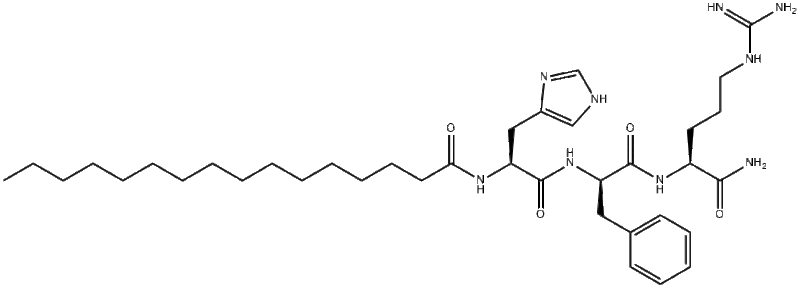
1, Palmitoyl Tripeptide-8 – Known as a soothing peptide that helps inhibit inflammatory signals from sensory nerves. It can be especially helpful for redness caused by stress, heat, or inflammatory skin conditions.
2, Madecassoside – chiết xuất từ rau má, đã được chứng minh trong nhiều nghiên cứu có khả năng làm dịu, giảm viêm và tái tạo mô tổn thương thông qua việc ức chế cytokine viêm.
3, Beta-Glucan – An active compound from Centella asiatica. It has been shown in many studies to soothe, reduce inflammation, and support tissue repair by inhibiting inflammatory cytokines.
Beta glucan
A natural polysaccharide that can stimulate immune support, promote collagen production, and calm neural receptors associated with itch or irritation.
Adding these ingredients to a skincare routine can help strengthen the skin barrier and gradually reduce persistent redness and irritation, without relying on corticosteroids or strong topical medications.
Conclusion
Neurocosmetics represent a new wave of skincare, where beauty is not only measured by radiance or firmness, but also by comfort, relaxation, and healthier skin from within. By applying neuroscience to topical skincare, we can go beyond what traditional cosmetics have offered. It is not just about hydration or sun protection, but also about building a meaningful connection between the skin and the nervous system, creating a more holistic beauty experience for both body and mind.